

The CSiM Exchange
Advancing Stewardship, Quality, and Collaboration in Rural Health.
Our quarterly newsletter brings together timely updates in stewardship, infectious diseases, and rural health, with practical tools and emerging topics for the clinicians and partners who serve rural communities.
This fall, we’re celebrating growth. In September, the CSiM Conference brought together over 30 rural and Critical Access Hospitals and more than 60 attendees in Spokane. TASP began as a weekly tele-stewardship session almost 10 years ago and has grown into a collaborative of rural hospitals learning from one another and adapting together, from new clinical threats to new ways of using data.
In this issue, we recap the conference and share how we will continue to evolve 2027. We also introduce the new CSiM UTI Dashboard, look back at a summer of TASP sessions, and mark the upcoming Antibiotic Awareness Week and National Rural Health Day.
The CSiM Exchange is open to current partners, past participants, public health and policy partners, and anyone newly engaging with our work. We look forward to continuing to share resources and insights that strengthen stewardship, quality improvement, and rural health systems.
The CSiM Conference Returns to Spokane
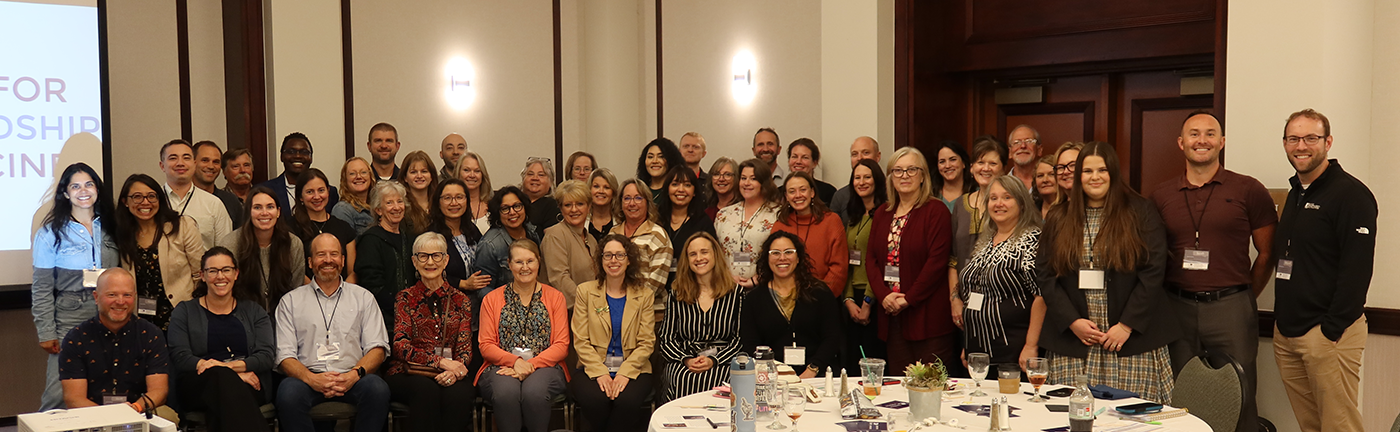
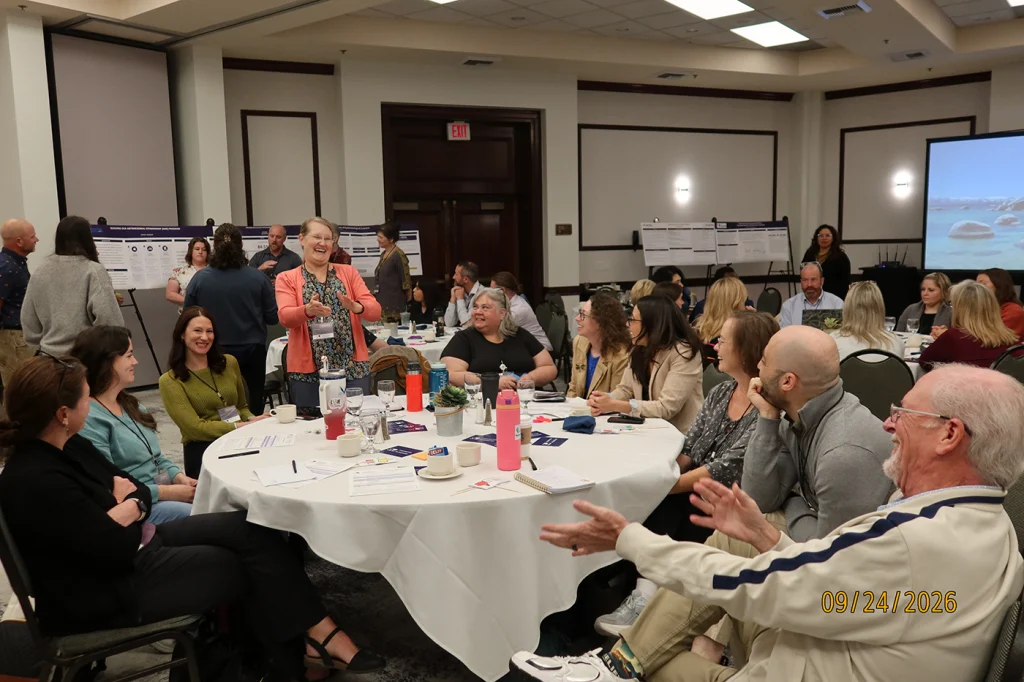
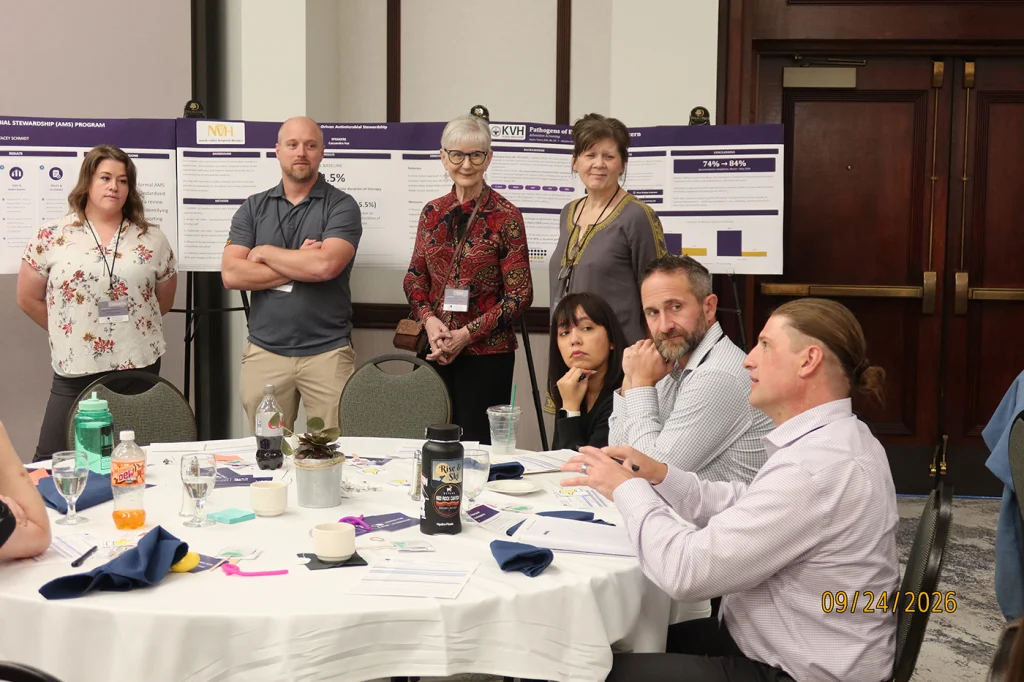
On September 25, the CSiM Conference returned to Spokane, bringing together over 30 rural and Critical Access Hospitals and more than 60 rural health professionals for a day of learning, sharing, and gathering. After a hiatus, it was a joy to see our network together in one room, pharmacists, nurses, physicians, infection preventionists, and rural health leaders who make stewardship work every day in their communities. Attendees came from Washington, Oregon, Idaho, Montana and Arizona. Many of you traveled long hours, and some of you traveled for days, to be there. Thank you.
For many attendees, it was the first time in years meeting in person the colleagues they see each week on TASP. The day combined clinical education with practical, peer-to-peer conversation about what is working, what is hard, and what rural hospitals need next.
Highlights from the day:
- UW CSiM Year in Review: a look back at the past year across the network, and a first look at the next phase of CSiM programming. It builds on nearly a decade of work together to help CAHs put their own data to work.
- Andre M. Gouws Memorial Lecture: Whitney Buckel, PharmD, BCIDP, delivered “Small But Mighty: Building Antimicrobial Stewardship Across a Diverse Health System.”
- “The Social Life of Numbers”: Julie Szymczak, PhD, explored a relational approach to performance feedback in antibiotic stewardship, a timely lead-in to our new UTI Dashboard.
- “How to Disagree Better”: Alyssa Castillo, MD, on navigating disagreement productively with colleagues.
TASP is evolving, and your input is shaping it. At the conference, we introduced a new structure for TASP sessions beginning in January 2027. It will help hospitals bring their own data into their quality and stewardship work, alongside the case-based education you already know. We’ll continue the conversation on TASP in the coming months, and we want to hear how to structure it so it works best for your hospital.
Thank you to everyone who traveled to Spokane, to our speakers and faculty, and to the Washington State Department of Health State Office of Rural Health Office for making the day possible.
The Steward’s Toolkit
New! Introducing the CSiM UTI Dashboard
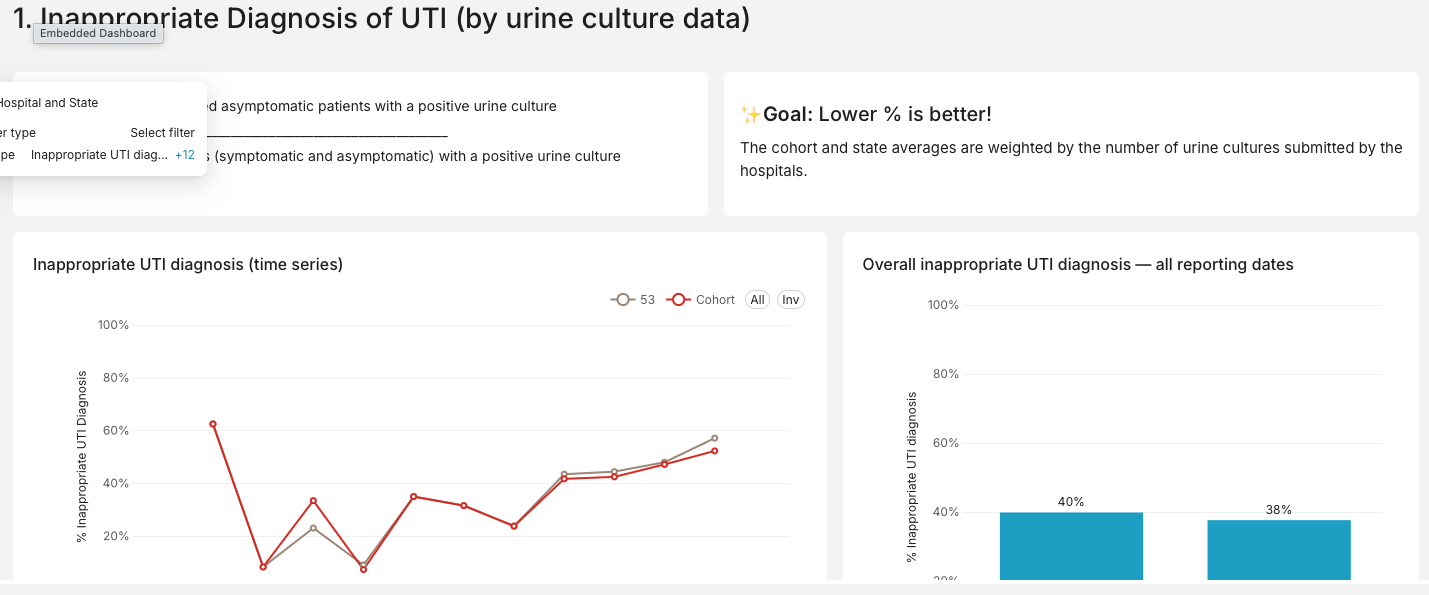
Last week, CSiM launched the UTI Dashboard, a new tool that puts hospital-level UTI data in stewards’ hands. Urinary tract infections are among the most common reasons antibiotics are prescribed, and, as we shared in our Spring issue, a large share of that treatment may not be needed.
This dashboard is designed for antibiotic stewards to identify trends in the diagnosis and treatment of urinary tract infections (UTI) at their hospitals and compare themselves to other institutions. It also tracks two key areas of treatment optimization and patient safety:
- Antibiotic selection: which agents are being used to treat UTIs
- Treatment duration: how long patients are being treated
The ability to track data over time and compare to peer hospitals will help stewards identify areas of focus and see the impact of their stewardship efforts.
Getting started: If you’re at a participating hospital, you already have access! Click the UTI Dashboard tab and start entering your data in the REDCap survey today.
Summer in Review: A Summer of Rethinking
Adaptive change starts with asking whether the way we’ve always done something is still the right way. This summer, TASP sessions kept coming back to that question. Missed a session? Recordings are available on the CSiM website.
Questioning old habits. We started with a counterintuitive idea: Bacterial Infections That Don’t Require Antibiotics, and how sometimes the best stewardship decision is to hold off. We followed that thread through Old Antibiotic Practices, New Data: GI Bleed Prophylaxis, which revisited a longstanding practice in light of newer evidence. It came to a head in a lively Pro/Con debate on antibiotics for viral community-acquired pneumonia. None of these questions have one-size-fits-all answers, and each session gave teams space to weigh the evidence together.
Watching the horizon. Summer in rural communities brings its own risks. The Spring 2026 Hantavirus Outbreak reminded us that a rare, rodent-borne illness can show up after something as routine as cleaning out a barn or cabin, and that early recognition matters. The summer long Cyclospora Outbreak, a foodborne parasite linked to fresh produce, reminded us to keep seasonal outbreaks on the radar. As the season turned, Prevention and Preparation for Respiratory Viruses helped teams get ready for fall and winter.
Growing beyond our walls, and making it last. Our MAD-ID Highlights session brought takeaways from the national Making a Difference in Infectious Diseases meeting back to our rural network. Core Elements of Outpatient Stewardship took CDC’s framework beyond the inpatient unit and into the clinics where much prescribing happens. We closed the summer with Sustaining Quality Improvement Efforts, on keeping gains in place long after a project ends. It’s a fitting bridge to our next chapter, as TASP builds more data and QI support into its structure in 2027.
Events and Announcements
Antibiotic Awareness Week: November 18–24
U.S. Antibiotic Awareness Week reminds us of the role every clinician plays in keeping antibiotics working. In rural hospitals, where small teams care for a wide range of patients, stewardship is part of everyday care. This year, the new UTI Dashboard gives stewards one more way to see where their efforts are paying off.
National Rural Health Day: November 19
On National Rural Health Day, we celebrate the clinicians, staff, and leaders who keep care close to home in rural communities. Thank you to every CSiM hospital for your commitment to safe, high-quality care.
One Year of The CSiM Exchange, Ten Years of TASP
This fall marks one year since we launched The CSiM Exchange during Antibiotic Awareness Week 2025. In February 2027, TASP turns ten.
When TASP began, we could not have imagined what it would become. Almost ten years later, it is a collaborative of dedicated pharmacists, nurses, physicians, infection preventionists, and rural health leaders who show up week after week, share what they’re learning, and push the work forward. TASP has grown and changed because you have. Thank you for building it with us.
Thank you, too, for reading, sharing, and sending us your ideas. Have a story, project, or question you’d like featured in a future issue? Email us at uwcsim@uw.edu.