

Core element 1 & 2: Leadership Commitment and Accountability
Page last reviewed December 2, 2022
Leadership commitment by hospital executives and board trustees in small and critical access hospitals is important to ensuring allocation of the necessary resources to support antibiotic stewardship programs. Obtaining leadership commitment from the chief medical officer (CMO), pharmacy director, and nursing leaders can facilitate physician, pharmacist, infection preventionist, and nurse engagement to implement stewardship initiatives to create a strong and sustainable program.
Examples of implementation strategies:
Designate a physician (e.g., CMO) in the C-suite or individual that reports to C-suite to be accountable for the outcomes of the antibiotic stewardship.
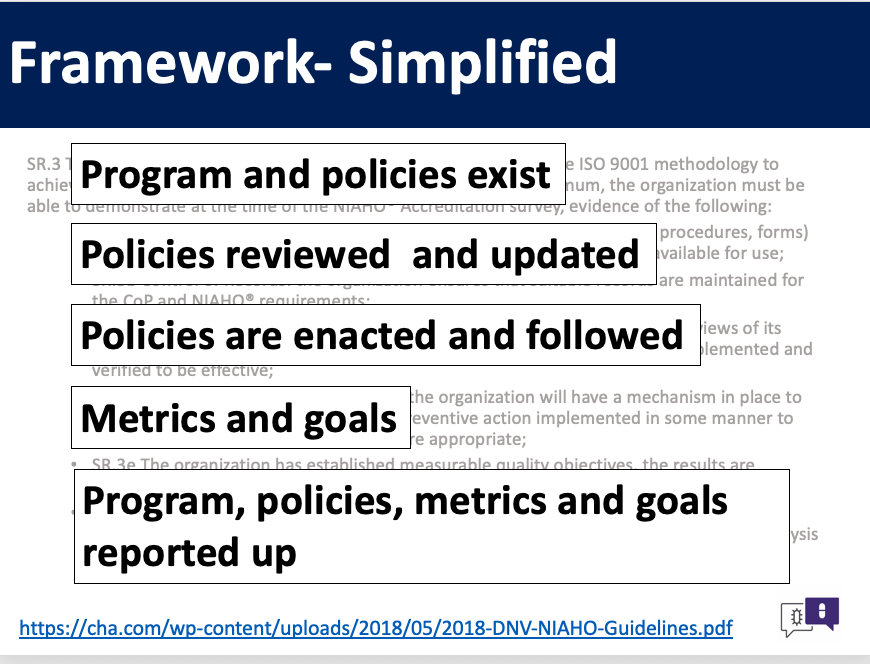
Approve a policy for the creation and/or expansion of the antibiotic stewardship program to include all core elements.
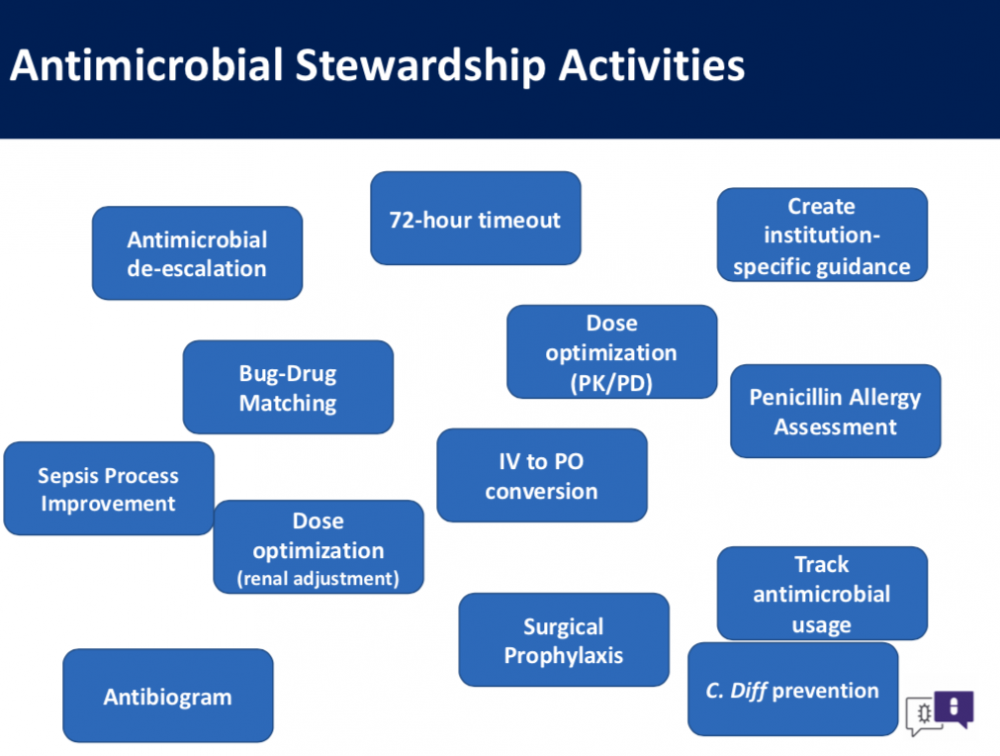
Integrate stewardship activities into ongoing quality improvement and/or patient safety efforts in the hospital (e.g., efforts to improve sepsis management).
Create a reporting structure for the stewardship program to ensure that information on stewardship activities and outcomes is shared with facility leadership and the hospital board (e.g., semi-annual stewardship update at the board meeting).
Issue a formal board-approved statement on the importance of the antibiotic stewardship program and include in the hospital’s annual report.
Issue a statement from the hospital leadership (e.g., medical, pharmacy and nursing) to all providers and patients highlighting the hospital’s commitment to improving antibiotic use.
Support training for hospital stewardship leaders on antibiotic stewardship through on-line or in-person.
Presentations


Resources and Documents
 HIGHLY RECOMMEND! Antimicrobial Stewardship Policy and Procedure EXAMPLE
Leadership Letter of Commitment EXAMPLE
A Call to Action EXAMPLE
Work Plan for Antimicrobial Resistance Committee EXAMPLE
Antimicrobial Stewardship Logic Model EXAMPLE
HIGHLY RECOMMEND! Antimicrobial Stewardship Policy and Procedure EXAMPLE
Leadership Letter of Commitment EXAMPLE
A Call to Action EXAMPLE
Work Plan for Antimicrobial Resistance Committee EXAMPLE
Antimicrobial Stewardship Logic Model EXAMPLE  Continuing Education and Informational Resources